
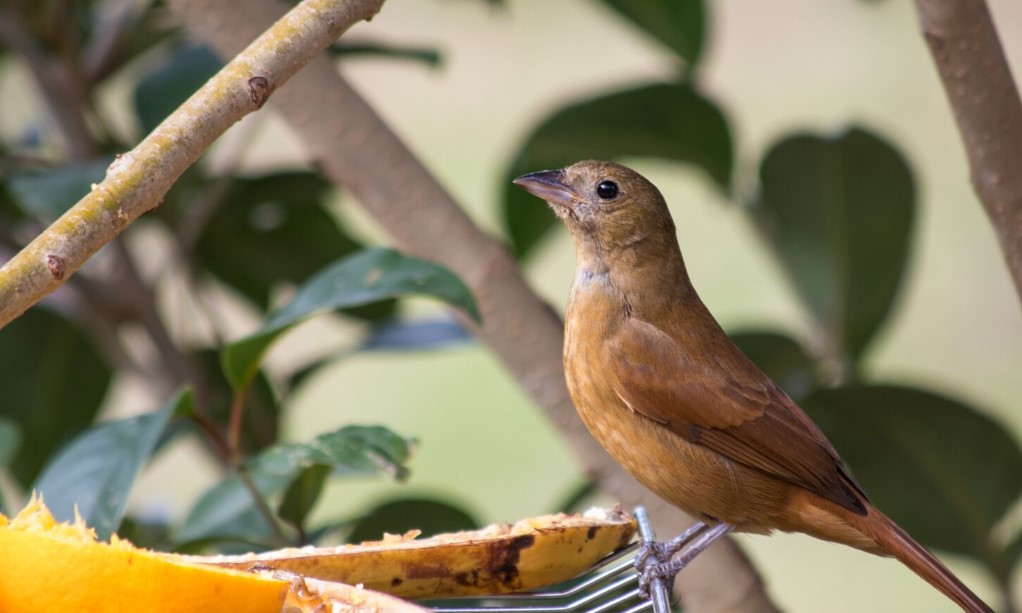
How to Attract More Backyard Birds with the Best Bird Food for Wild Birds
Watching colorful birds visit your backyard can be a rewarding experience. Birds bring natural beauty, help control insects, and add life to outdoor spaces. One of the easiest ways to attract them is by offering the right wild bird food. Different bird species have different feeding habits, so choosing the best bird food for wild birds can make a big difference.
A well-stocked feeder with nutritious food encourages birds to return regularly. Along with clean water and safe shelter, quality food helps create a welcoming environment for many backyard visitors.
Why Bird Food Matters for Backyard Birds
Wild birds spend much of their day searching for food. Weather changes, habitat loss, and seasonal conditions can make natural food sources harder to find. Providing wild bird food gives birds an extra source of nutrition, especially during colder months and breeding seasons.
Nutritious food helps birds:
- Maintain healthy energy levels
- Support feather growth
- Feed young birds during nesting season
- Build strength for migration
- Stay active throughout the year
Offering the best bird food for wild birds also increases the variety of species that visit your yard.
Choosing the Best Bird Food for Wild Birds
Not all bird food attracts the same birds. Understanding different food options helps you choose the right mix for your local bird population.
Black Oil Sunflower Seeds
These are one of the most popular choices for backyard feeding. Their thin shells are easy for many birds to crack open.
They attract:
- Cardinals
- Chickadees
- Finches
- Nuthatches
- Woodpeckers
Many bird enthusiasts consider these seeds among the best bird food for wild birds because they provide healthy fats and protein.
Nyjer Seed
Nyjer seed is ideal for small songbirds.
Common visitors include:
- Goldfinches
- Pine siskins
- Redpolls
Use a feeder designed specifically for Nyjer seed to reduce waste.
Mixed Seed Blends
Quality seed blends offer a variety of ingredients that attract different bird species.
Look for blends that contain:
- Sunflower seeds
- Millet
- Cracked corn
- Safflower seeds
Avoid mixes with excessive filler ingredients that many birds leave behind.
Suet Cakes
Suet provides high energy, especially during winter.
It attracts:
- Woodpeckers
- Wrens
- Chickadees
- Nuthatches
Suet is especially helpful when natural insects become scarce.
Peanuts
Unsalted peanuts are rich in protein and healthy fats.
Many birds enjoy them, including:
- Blue jays
- Woodpeckers
- Titmice
- Crows
Always use clean, fresh peanuts without added salt or seasoning.
Tips to Attract More Backyard Birds
Offering the right wild bird food is only one part of creating a bird-friendly yard.
Keep Feeders Clean
Dirty feeders can spread disease. Wash feeders regularly with warm water and allow them to dry completely before refilling.
Offer Fresh Water
Birds need water for drinking and bathing. A clean birdbath can attract species that may not visit feeders.
Refresh the water often, especially during hot weather.
Plant Native Trees and Shrubs
Native plants provide natural food, nesting materials, and shelter.
Berry-producing shrubs, flowering plants, and seed-bearing grasses attract many wild birds throughout the year.
Use Different Types of Feeders
Different birds prefer different feeding styles.
Examples include:
- Tube feeders
- Platform feeders
- Hopper feeders
- Suet feeders
- Ground feeders
Using multiple feeders increases your chances of attracting more species.
Feed Consistently
Birds quickly learn where reliable food sources are located.
Keep feeders filled with the best bird food for wild birds to encourage repeat visits.
Seasonal Feeding Tips
Bird feeding needs to change throughout the year.
Spring
Birds need extra energy during nesting season.
Offer:
- High-protein seed mixes
- Mealworms
- Fresh water
Summer
Continue feeding while keeping food fresh in warm temperatures.
Clean feeders more frequently to prevent mold.
Fall
Birds prepare for migration and colder weather.
Increase the amount of wild bird food available as natural food supplies begin to decline.
Winter
Winter is one of the most important feeding seasons.
Provide:
- Black oil sunflower seeds
- Suet
- Peanuts
- High-energy seed blends
These foods help birds maintain body heat during cold weather.
Common Mistakes to Avoid
Many backyard bird lovers accidentally reduce their chances of attracting birds.
Avoid these common mistakes:
- Using old or moldy wild bird food
- Allowing feeders to become dirty
- Filling feeders with low-quality seed mixes
- Offering salted or flavored human foods
- Placing feeders where predators can easily hide
- Forgetting to provide fresh water
Simple changes can make your backyard much more attractive to birds.
Final Thoughts
Creating a bird-friendly backyard starts with choosing the best bird food for wild birds and offering it consistently. High-quality wild bird food, clean feeders, fresh water, and natural shelter all work together to attract a wide variety of birds throughout the year.
If you want more birds to visit your yard, start by selecting nutritious seed blends, sunflower seeds, suet, or other foods that match the species in your area. Small improvements to your feeding routine can help turn your backyard into a favorite stop for wild birds.
FAQs
1. What is the best bird food for wild birds?
Black oil sunflower seeds are one of the best bird food for wild birds because they attract many species and provide healthy fats and protein. Quality seed blends and suet are also excellent choices.
2. How often should I refill my bird feeder?
Check your feeder every day. Refill it as needed and avoid letting it stay empty for long periods if birds visit regularly.
3. Can I feed bread to wild birds?
Bread should only be offered occasionally, if at all, because it provides very little nutrition. Nutritious wild bird food is a much better option.
4. Why are birds not visiting my feeder?
Birds may need time to discover a new feeder. Fresh food, clean feeders, nearby shelter, and a reliable water source can help attract more visitors.
5. What foods should I avoid giving wild birds?
Avoid salty snacks, chocolate, processed foods, moldy seeds, and spoiled food. Always provide fresh, high-quality wild bird food to support bird health.