
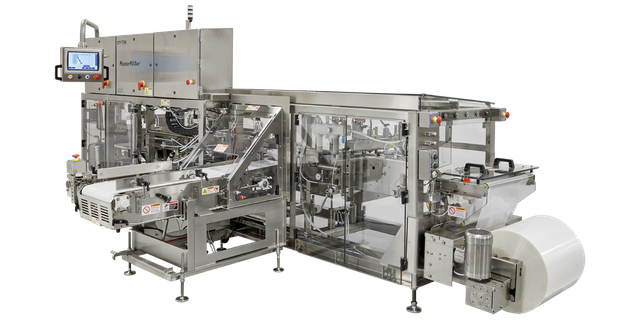
MAP Packaging Machines and Modified Atmosphere Packaging Equipment
In today’s rapidly evolving food industry, the demand for innovative and efficient packaging solutions is paramount. One of the leading advancements in this area is MAP Packaging Machines. These machines, used for creating a controlled environment within the package, are transforming the way food products are packaged and preserved. This technology helps extend shelf life, preserve quality, and maintain freshness.
What Are MAP Packaging Machines?
MAP Packaging Machines refer to specialized packaging equipment that creates a modified atmosphere inside the package. This controlled environment involves altering the levels of gases like oxygen, nitrogen, and carbon dioxide. By removing oxygen and replacing it with inert gases, MAP helps to slow down the natural decay of perishable products, ensuring they remain fresh for a more extended period.
Benefits of MAP Packaging for Food Products
The main advantage of MAP Packaging Machines is their ability to maintain the freshness and quality of food products. By controlling the gas composition inside the packaging, these machines prevent the growth of bacteria and mold, which can cause spoilage. Additionally, MAP packaging helps to retain the natural color, texture, and nutritional value of the product, making it more appealing to consumers.
Modified Atmosphere Packaging Equipment: A Closer Look
Another term closely related to MAP is Modified Atmosphere Packaging Equipment. This equipment plays a crucial role in various industries, including food, pharmaceuticals, and electronics. By adjusting the atmosphere within the package, this equipment helps preserve the product by creating an ideal environment. For food products, the gas mixture is tailored to slow down the deterioration process, keeping items like fruits, vegetables, meats, and dairy products fresh for longer periods.
How Does Modified Atmosphere Packaging Work?
Modified Atmosphere Packaging Equipment operates by replacing the air inside a package with a carefully controlled mix of gases. For example, a high concentration of nitrogen can be used to prevent the growth of aerobic bacteria, while a low amount of oxygen inhibits the oxidation of fats and oils. This process ensures that the product is not only preserved but also protected from environmental factors that could degrade its quality.
Industries Benefiting from MAP and Modified Atmosphere Packaging
The adoption of MAP Packaging Machines and Modified Atmosphere Packaging Equipment has been a game-changer in numerous industries. The food industry, particularly, has seen massive benefits, with products such as ready-to-eat meals, dairy products, and fresh produce benefiting from extended shelf lives. Additionally, the pharmaceutical and electronics industries are increasingly relying on modified atmosphere packaging to protect sensitive products from contamination and degradation.
Sustainability in Packaging with MAP Technology
One of the most significant trends in packaging is the push for sustainability. MAP Packaging Machines are contributing to this movement by reducing food waste. By extending the shelf life of products, these machines help to reduce spoilage and, ultimately, the amount of food that is thrown away. This shift towards longer-lasting packaging is part of a broader industry effort to create eco-friendly solutions that benefit both businesses and consumers.
Key Considerations When Choosing MAP Equipment
When selecting Modified Atmosphere Packaging Equipment, businesses need to consider various factors, including the type of product being packaged, the desired shelf life, and the cost of operation. The efficiency and reliability of the equipment are also essential to ensure that the modified atmosphere is maintained throughout the product’s life cycle. Choosing the right packaging solution can make a significant difference in product quality and customer satisfaction.
Conclusion
The advancement of MAP Packaging Machines and Modified Atmosphere Packaging Equipment has revolutionized the packaging industry. These technologies have enabled businesses to preserve the freshness, quality, and safety of their products while meeting the increasing demand for sustainability. As the industry continues to evolve, businesses that embrace these innovations will be better positioned to meet consumer expectations and maintain a competitive edge.