
OCR Data Extraction Service: Turning Scanned Documents into Searchable Data
In today’s data-driven environment, businesses handle a constant flow of documents, contracts, invoices, forms, reports, and more. While scanning helps convert paper files into digital formats, it often stops at image-based storage. These files may look organised, but are still difficult to search or analyse. This is where an OCR data extraction Service becomes essential.
Optical Character Recognition (OCR) transforms scanned documents into editable and searchable data, allowing businesses to move beyond storage and actually use the information inside their files. With the right approach, OCR turns static documents into active business assets.
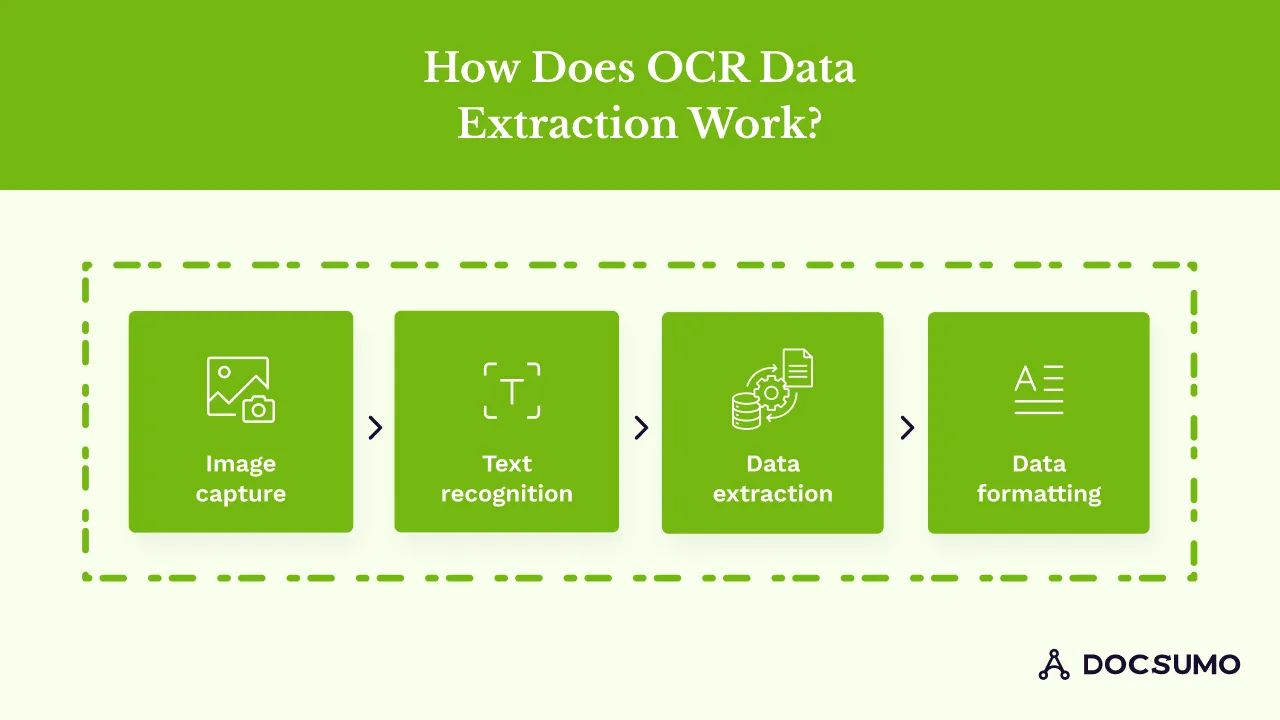
What Is OCR Data Extraction and How It Works
OCR data extraction is a technology that identifies text within scanned images or PDFs and converts it into machine-readable content. Instead of manually reading or typing information, OCR software automatically detects characters and converts them into digital text.
This text can then be searched, edited, or integrated into systems. The process typically begins with scanning documents, followed by image enhancement, text recognition, and data validation. The result is a structured digital file that can be used across multiple business applications.
Why Businesses Need More Than Basic Scanning
Basic scanning is useful for reducing paper storage, but it does not fully solve document management challenges. Without OCR, employees still need to open files one by one to find specific information. This can slow down workflows and increase the chances of errors.
By combining OCR with Document Scanning Solutions, businesses can create a system where information is instantly accessible. This not only saves time but also improves decision-making by providing quick access to accurate data.
Key Benefits of OCR Data Extraction
OCR technology offers several practical advantages that help businesses operate more efficiently:
- Converts scanned images into searchable and editable text
- Reduces manual data entry and minimises human errors
- Speeds up document retrieval using keyword searches
- Improves accuracy in data processing and reporting
- Enables integration with business software and databases
- Enhances overall document management efficiency
These benefits make OCR a valuable tool for organisations looking to modernise their operations.
How OCR Improves Everyday Business Operations
OCR plays a significant role in simplifying daily tasks. For example, invoices can be scanned and automatically processed, with key details extracted and entered into accounting systems.
Contracts can be searched for specific clauses without reading the entire document. Forms can be digitised and stored in a structured format, making them easier to manage. By automating these processes, businesses can reduce repetitive tasks and focus on more important work.
Common Use Cases for OCR Data Extraction
OCR technology is widely used across different industries and applications. Some common use cases include:
- Processing financial documents such as invoices and receipts
- Managing legal documents and contracts for quick reference
- Digitising forms and applications for easier data entry
- Extracting data from reports and research documents
- Organising customer records and databases
These applications show how OCR can improve efficiency and accuracy in various business functions.
Steps Involved in OCR Data Extraction
The OCR process involves several steps to ensure reliable results:
- Scanning physical documents into a digital format
- Enhancing image quality for better text recognition
- Detecting and extracting text using OCR software
- Converting extracted text into editable formats
- Validating data to ensure accuracy
- Organising and storing the data for easy access
Each step is carefully managed to ensure that the final output is both accurate and usable.
Challenges in OCR and How to Overcome Them
While OCR is highly effective, it can face challenges such as poor image quality, complex layouts, or handwritten text. These factors can affect accuracy. However, these challenges can be addressed by using high-quality scanning equipment and advanced OCR software.
Proper document preparation and quality checks also help improve results. Working with experienced professionals ensures that documents are processed correctly and that data extraction is reliable.
The Importance of Accuracy and Data Validation
Accuracy is critical when extracting data from documents. Errors in data can lead to incorrect decisions or operational issues. This is why data validation is an important part of the OCR process.
Professional services include verification steps to ensure that the extracted information matches the original document. This attention to detail helps maintain data integrity and reliability.
Why Professional OCR Services Make a Difference
Implementing OCR technology requires expertise, tools, and structured processes. Professional service providers offer advanced solutions that ensure consistent and accurate results.
They can handle large volumes of documents and complex data extraction requirements. This allows businesses to benefit from OCR without investing heavily in technology or training. Professional services also provide ongoing support, ensuring that systems remain effective over time.
Conclusion
OCR data extraction is more than just a technical upgrade; it is a practical way to unlock the true value of your documents. By converting scanned files into searchable and usable data, businesses can improve efficiency, reduce manual work, and make better use of their information.
This approach transforms document management into a smarter and more productive process. With the support of Access Scanning, organisations can implement reliable OCR solutions that help them manage data more effectively and stay ahead in a competitive business environment.